


Sacred Décor for Mindfulness: Design Your Spiritual Space
- Apr 16
- 4 min read
Updated: Apr 22
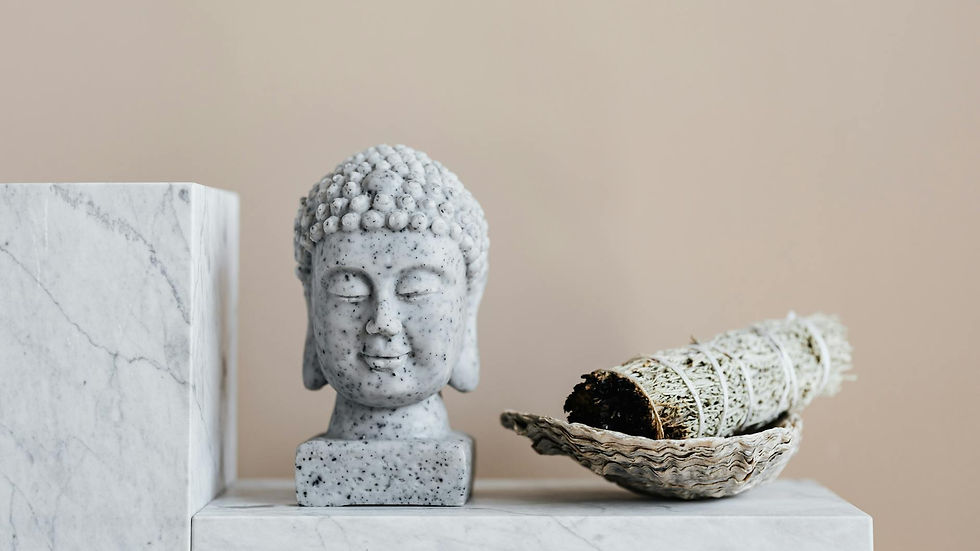
In our fast-paced, modern world, the sanctuary of the home has become more than just a place to rest. It is a critical anchor for our mental and spiritual well-being. When we intentionally cultivate an environment that fosters peace, we bridge the gap between our external surroundings and our internal state. At God Power LLC, we believe that your living environment is a direct reflection of your inner consciousness. By focusing on Designing Sacred Décor for Mindfulness, you can transform your home into a vessel for spiritual growth and sustained clarity.
The Philosophy of Sacred Space Design Essentials
Creating a space that supports mindfulness is not merely about aesthetics or interior trends. It is about creating a vibrational container that supports your unique journey of spiritual awakening. Sacred Space Design Essentials begin with the understanding that every object, color, and texture you introduce into your environment carries an energy frequency. When you curate these elements with intention, you create a resonance that facilitates deeper meditation and emotional balance.
The foundation of any sacred space is simplicity and purpose. Many people struggle with feeling scattered because their living spaces are filled with items that do not serve their higher self. To combat this, start by de-cluttering your designated area, allowing for a flow of energy that clears the mind. Once the physical space is neutral, you can begin to introduce pieces that inspire and ground you, such as natural crystals, soft lighting, or textiles that evoke a sense of calm. You can explore more about how we define these energy-aligned lifestyles in our feature on God Power to understand the foundational principles of our community.
Curating Your Personal Sanctuary
Transitioning your home into a place of mindfulness requires a methodical approach. You want your space to act as a physical trigger for your nervous system to downshift into a state of rest and openness.
Sensory Integration in Design
- Visual: Utilize soft, earth-toned palettes that prevent overstimulation.
- Auditory: Incorporate water features or wind chimes to soften the harsh sounds of the external world.
- Olfactory: Use natural incense or essential oils to anchor your brain in the present moment.
- Tactile: Select natural fibers like organic cotton or jute for rugs and meditation cushions to promote grounding.
When Designing Sacred Décor for Mindfulness, it is vital to remember that less is often more. By selecting only items that hold deep, symbolic meaning for you, you avoid the trap of excessive consumption and keep the focus on internal transformation. If you are struggling with expressing this new, inward-focused identity in your daily life, you might find inspiration in our guide to Find Your Style with Divine Essence Apparel Shop, which emphasizes carrying your intentionality beyond the walls of your home.
The Role of Professional Guidance
While many individuals attempt to design these spaces alone, the path of spiritual growth often benefits from expert mentorship. At God Power LLC, we recognize that the struggle to find inner stillness is a common pain point. Sometimes, your physical environment needs a professional touch to shift stagnant energy and help you break through plateaus in your practice. Our empowerment coaching and wellness products serve as tools to assist you in this delicate balancing act. When you align your physical decor with your spiritual goals, the results are often transformative.
Frequently Asked Questions
How large does a sacred space need to be?
A sacred space does not require an entire room. It can be as simple as a corner of a desk or a comfortable chair by a window, provided it is designated and maintained as an area for intentional practice.
How often should I update the decor in my sacred space?
You should adjust your space whenever your spiritual practice evolves. As you grow, the symbols and tools that resonate with your spirit may change, making it beneficial to refresh your space to match your current vibrational needs.
Can I use technology in a sacred space?
Generally, it is best to keep technology to a minimum to maintain a sanctuary from the digital world. However, if you use digital tools for guided meditation, keep them out of sight when not in use to preserve the sanctity of the environment.
What are the most important elements for a beginner?
Focus on a comfortable seat, natural light, and at least one item that connects you to nature or a higher power. These three elements provide the stability needed to begin a consistent meditation or mindfulness habit.
Sustaining Your Practice Through Environment
Designing your home as a sanctuary is a continuous process rather than a one-time project. It requires consistent awareness of how your environment interacts with your energy levels. If you find yourself feeling distracted or anxious, look toward your decor. Ask yourself if the items in your peripheral vision are inviting you to breathe or if they are reminding you of your to-do list.
True transformation happens when your home supports your growth rather than demanding your energy. By integrating the Sacred Space Design Essentials into your daily life, you create a feedback loop of peace and clarity. This environment serves as an external manifestation of your commitment to yourself. As you continue to walk this path, let your home be the silent partner that reminds you of your divinity, encourages your healing, and sustains your awakening. Through the conscious application of mindfulness in your design choices, you are not just decorating a room; you are building a temple for your soul. Take the first step today by clearing one small corner and dedicating it to your highest intentions. Your spiritual growth depends on the environment you curate, so choose peace, choose intention, and choose to thrive.


Comments